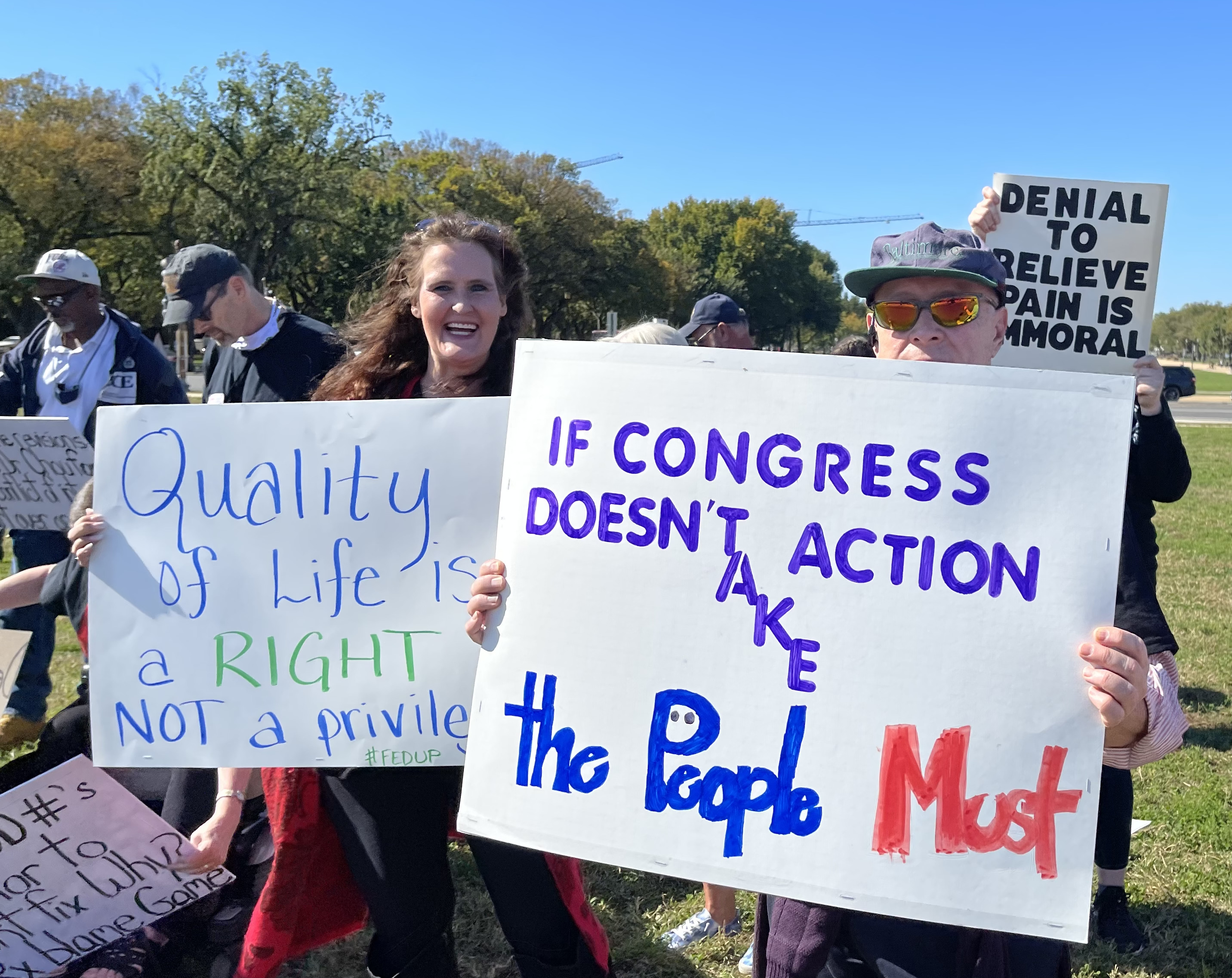
“..Find out just what a people will submit to, and you have found out the exact amount of injustice and wrong which will be imposed upon them, and these will continue till they are resisted with either words or blows or with both. The limits of tyrants are prescribed by the endurance of those whom they oppress..” frederick douglas

reported by youarewithinthenorms.com
NORMAN J CLEMENT RPH., DDS, NORMAN L. CLEMENT PHARM-TECH, MALACHI F. MACKANDAL PHARMD, BELINDA BROWN-PARKER, IN THE SPIRIT OF JOSEPH SOLVO ESQ., INC.T. SPIRIT OF REV. IN THE SPIRIT OF WALTER R. CLEMENT BS., MS, MBA. HARVEY JENKINS MD, PH.D., IN THE SPIRIT OF C.T. VIVIAN, JELANI ZIMBABWE CLEMENT, BS., MBA., IN THE SPIRIT OF THE HON. PATRICE LUMUMBA, IN THE SPIRIT OF ERLIN CLEMENT SR., EVELYN J. CLEMENT, WALTER F. WRENN III., MD., JULIE KILLINGSWORTH, RENEE BLARE, RPH, DR. TERENCE SASAKI, MD LESLY POMPY MD., CHRISTOPHER RUSSO, MD., NANCY SEEFELDT, WILLIE GUINYARD BS., JOSEPH WEBSTER MD., MBA, BEVERLY C. PRINCE MD., FACS., NEIL ARNAND, MD., RICHARD KAUL, MD., IN THE SPIRIT OF LEROY BAYLOR, JAY K. JOSHI MD., MBA,AISHA GARDNER, ADRIENNE EDMUNDSON, ESTER HYATT PH.D., WALTER L. SMITH BS., IN THE SPIRIT OF BRAHM FISHER ESQ., MICHELE ALEXANDER MD., CUDJOE WILDING BS, MARTIN NJOKU, BS., RPH., IN THE SPIRIT OF DEBRA LYNN SHEPHERD, BERES E. MUSCHETT, STRATEGIC ADVISORS
summary

CLICK HERE FOR ANALYSIS AND REVIEW
Kenji, a pain patient advocate, expresses frustration with the DEA’s actions, accusing the agency of targeting intractable pain patients and causing widespread damage.
Kenji implores the DEA to stop harassing doctors and using patients as targets. The letter underscores the broader issue of undertreated pain in America, affecting millions and resulting in significant societal and economic costs.
Lack of adequate pain management leads to various negative consequences, such as broken families, job losses, and even suicide. Despite the prevalence of chronic pain, there’s a shortage of pain specialists and documented undertreatment in various healthcare settings, exacerbating the problem.
Fear of legal repercussions and opioid side effects also contribute to the inadequate treatment of chronic pain, further harming patients and contributing to their suffering.
Subject: Intractable Pain Patient
Greetings office of diversion,
With the recent push by the Trump administration for greater transparency, we would like to ask how the DEA it will respond?

Critics are “frothing at the mouth” at an opportunity to share with the DEA the damage they single-handedly have caused millions of Americans who trusted the agency.
We are hopeful the DOGE will perform an audit of the DEA and its extensive tentacles and share with the American public the corruption.

The targeting of intractable pain patients one of the more insidious programs that has cost Americans dearly. Once the public learns the extent in which the agency went to hide the negative impacts of their covert operations they will close the door on the Agency. Perhaps the DEA isn’t a target? Perhaps the level of corruption truly isn’t known?

Perhaps you’ll get a free pass? Suffice it to say, Americans are sick of the DEA, especially since their intrusion into the medical profession. Free Doctor Joseph Parker and Doctor Merideth Norris. Stop the harassment of Doctor Mark Ibsen and reinstate Doctors Norman Clement and Neil Anand their DEA licenses. We patients have had all we can take from our government. Stop using patients as targets.

As an intractable pain patient suffering and dying from UNDER treated pain, I want to commend you for the damage the Agency has done the American electorate. We understand these emails are rarely if ever read, but history will show not all laid down to the will of the DEA. Cannabis being a schedule three is evidence enough without mentioning the targeting of pain management Doctors after 2018.
The Agency took full advantage as one would expect with the termination of operation America grows opium the 20-year debacle of the DEA in Afghanistan. There needs to be a reckoning of the DEA. I pray that happens soon.

Your friend in pain,
Kenji
Kenneth Pettingill (Kenji)
Patient Advocate/Legislative Outreach/Pain Warrior
(PPiP) Gorham, Maine 04038
Fax\Email fm29kmb66@hpeprint.com
“Whether you think you can, or you think you can’t – you’re right,”
OR SEND
TO CASH APP:$docnorm
ZELLE 3135103378

ALL WATCHED OVER BY MACHINES OF LOVING GRACE
BE SURE TO DONATE TO THE MARK IBSEN GOFUNDME DEFENSE FUND, WHERE THE SON ALWAYS RISES!!!

FOR NOW, YOU ARE WITHIN
REFERENCES:
Timeline of Events:
- 1980s: Physicians specializing in opioid treatment for pain associated with terminal cancer begin advocating the same treatment for non-terminal chronic pain patients.
- 1990-1997: A study of children who died from cancer at two Boston hospitals found that almost 90 percent of them had “substantial suffering in the last month, and attempts to control their symptoms were often unsuccessful.”
- 1995: The American Pain Society estimates that untreated pain cost American business more than $100 billion in medical expenses, lost wages, and other costs, including 50 million workdays.
- 1997: The American Medical Association (AMA) issues a news release stating the large numbers of Americans suffering from headache, backache, muscle, and neck pain and that many receive inadequate care due to barriers to pain treatment.
- 1999: One survey indicates that just one in four pain patients received adequate treatment.
- 1999: The California medical board issues a policy statement finding “systematic undertreatment of chronic pain,” attributing it to various factors.
- 2003: An article in the Journal of the American Medical Association puts the economic impact of common ailments (arthritis, back pain, headache) at $61.2 billion per year.
- 2003: In Florida, just 1 percent (574) of the state’s doctors prescribed the vast majority of narcotic drugs paid for by Medicaid.
- 2004: A survey of medical literature finds widespread undertreatment of pain among various patient groups and in various medical settings.
- Post 2018: Targeted Pain Management Doctors by the DEA.
- Trump Administration: Push for greater transparency, leading to criticism and potential scrutiny of the DEA’s actions.
- Ongoing: Continued suffering of intractable pain patients due to undertreatment.

Cast of Characters:
- Kenji (Kenneth Pettingill): Intractable pain patient, patient advocate, legislative outreach, and “pain warrior” (with affiliation to PPiP). Expresses frustration with the DEA and its impact on pain patients and calls for accountability.
- Doctor Joseph Parker: Physician who is implied to have faced issues from the DEA. Supporters are calling for his freedom.
- Doctor Merideth Norris: Physician who is implied to have faced issues from the DEA. Supporters are calling for her freedom.
- Doctor Mark Ibsen: Physician who is implied to be facing harassment from the DEA.
- Doctor Norman Clement: Pharmacist and Dentist who supporters call for the reinstatement of his DEA license.
- Neil Anand: Physician who supporters call for the reinstatement of his DEA license.
- Dr. J. David Haddox: Vice President of Health Affairs at Purdue Pharma L.D., manufacturer of OxyContin and MSContin. He estimates the number of pain specialists in the US and the imbalance between doctors and patients seeking treatment.
- DEA (Drug Enforcement Administration): Federal agency criticized for its actions related to pain management and opioid prescribing, specifically its alleged targeting of intractable pain patients and intrusion into the medical profession.
Understanding the Intractable Pain Patient Experience and the DEA’s Role
I. Review of Key Concepts
This section outlines the core concepts and themes presented in the provided text to help you focus your study efforts:

- The Plight of Intractable Pain Patients: Understand the severity of suffering, the limitations of existing treatments, and the social and economic consequences of untreated pain.
- Kenji’s Perspective: The email from Kenji offers a personal account of the frustrations and grievances of an intractable pain patient. Analyze the accusations made against the DEA, the demands for justice, and the overall tone of the message.
- The DEA’s Role and Controversy: Consider the criticisms leveled against the DEA regarding their actions and alleged intrusion into medical practice. Evaluate the issues surrounding transparency, corruption, and the targeting of pain management doctors.
- Under-treatment of Pain: Examine the statistics and research highlighting the widespread issue of under-treated pain. Identify the factors that contribute to this problem, including fear of addiction, lack of knowledge, and legal concerns.
- The Shortage of Pain Specialists: Investigate the reasons for the limited number of doctors specializing in pain management. Analyze the historical context and the impact of societal attitudes towards narcotics.
- Historical Context: Understand the connection between the DEA’s focus on Afghanistan and its domestic actions.
- Legislative and Policy Implications: Consider the impact of the Trump administration’s push for transparency and the potential implications for the DEA.

II. Short-Answer Quiz
Answer the following questions in 2-3 sentences each, drawing from the provided text.
- What is Kenji’s primary concern regarding the DEA?
- According to the text, what are some societal costs associated with untreated pain?
- What are some common illnesses mentioned in the provided text that can cause chronic pain?
- What are some of the reasons cited by the California medical board for the systematic under-treatment of chronic pain?
- According to the American Medical Association, what are some of the most common types of pain that Americans suffer from?
- What did a 2004 survey in the Annals of Health Law find regarding pain treatment?
- According to Dr. J. David Haddox, how many pain specialists are estimated to be treating chronic pain patients in the United States?
- What is one reason that the text offers for the shortage of doctors who specialize in the field?
- What are the names of any doctors mentioned in Kenji’s letter who are having issues with the DEA?
- According to Kenji, what are the historical origins of the DEA’s more recent targeting of pain doctors?
III. Quiz Answer Key
- Kenji is primarily concerned with what he perceives as the DEA’s unjust targeting of intractable pain patients and the intrusion into the doctor-patient relationship, leading to under-treatment and suffering. He calls for transparency, accountability, and the reinstatement of licenses for targeted doctors.
- Societal costs of untreated pain include needless suffering, broken marriages, alcoholism and family violence, absenteeism and job loss, depression, and suicide. These factors collectively contribute to significant economic burdens.
- Chronic pain can be brought on by illnesses such as cancer, lower back disorders, rheumatoid arthritis, shingles, post-surgical pain, fibromyalgia, sickle cell anemia, diabetes, HIV/AIDS, and various types of headaches. These conditions often require specialized pain management.
- The California medical board attributed the systematic under-treatment of chronic pain to factors like the low priority of pain management in the healthcare system, incomplete integration of knowledge, lack of patient knowledge, fears of opioid addiction, and fear of legal consequences. These barriers hinder effective pain relief.
- The American Medical Association stated that millions of Americans suffer from common types of pain like headaches, backaches, muscle pains, and neck pain. A significant number also experience intense, intractable pain unrelated to cancer, often receiving inadequate care.
- The 2004 survey in the Annals of Health Law documented widespread under-treatment of pain among vulnerable populations like the terminally ill, cancer patients, nursing home residents, and chronic pain patients. This issue was also prevalent in emergency rooms, postoperative units, and intensive care units.
- Dr. J. David Haddox estimates that there are between four to five thousand doctors specializing in pain management in the United States. This translates to roughly one doctor for every 6,000 chronic pain patients, highlighting the shortage of specialists.
- One reason for the shortage of pain doctors is that pain medicine is a relatively new and dynamic field. The field is only recently expanding beyond care for terminal cancer patients into non-terminal chronic pain management.
- Kenji mentions Doctor Joseph Parker, Doctor Merideth Norris, Doctor Mark Ibsen, Doctor Norman Clement, and Neil Anand in his letter as being targeted by the DEA. Kenji would like to see the DEA reinstate Doctor Clement and Neil Anand’s DEA licenses.
- Kenji claims that the agency’s termination of operation America grows opium in Afghanistan allowed the agency to focus on pain management doctors after 2018. He sees this as an abuse of power.

IV. Essay Questions
Consider these essay questions as opportunities to synthesize the information and develop nuanced arguments:
- Analyze Kenji’s email from a rhetorical perspective. What persuasive strategies does he employ to convey his message to the DEA? How effective do you find his approach, and why?
- To what extent is the DEA responsible for the under-treatment of intractable pain in the United States? Consider the arguments presented in the text and formulate your own balanced assessment.
- Discuss the various factors contributing to the under-treatment of chronic pain. How do these factors interact, and what steps could be taken to address this complex problem?
- Evaluate the claim that the American medical system prioritizes fear of addiction over effective pain management. Provide evidence from the text and your own understanding of the issue to support your argument.
- Explore the ethical considerations surrounding the use of opioid medications for chronic pain management. How can the medical community balance the need for pain relief with the risks of addiction and abuse?

V. Glossary of Key Terms
- Intractable Pain: Chronic pain that is resistant to standard treatments and persists despite various interventions.
- DEA (Drug Enforcement Administration): A United States federal law enforcement agency under the Department of Justice, tasked with combating drug trafficking and distribution within the U.S.
- Opioid Medications: A class of drugs that include powerful pain relievers, such as morphine, oxycodone, and hydrocodone, which can be highly addictive.
- Pain Management: The practice of alleviating or reducing pain, often involving a multidisciplinary approach that includes medication, therapy, and lifestyle changes.
- Under-treatment of Pain: The inadequate or insufficient treatment of pain, leading to unnecessary suffering and reduced quality of life.
- Chronic Pain: Pain that lasts for more than three months.
- Schedule Three: The designation of a drug, substance, or chemical according to the controlled substances act.
- OxyContin: A brand name for the drug oxycodone, an opioid pain reliever.
- MSContin: A brand name for morphine sulfate, a controlled-release formulation of morphine used for the management of chronic pain.
- PPiP (Patients and Physicians Integrative Program): A group that advocates for intractable pain patients.